Cultural Immersion: Connecting with Local Traditions and People
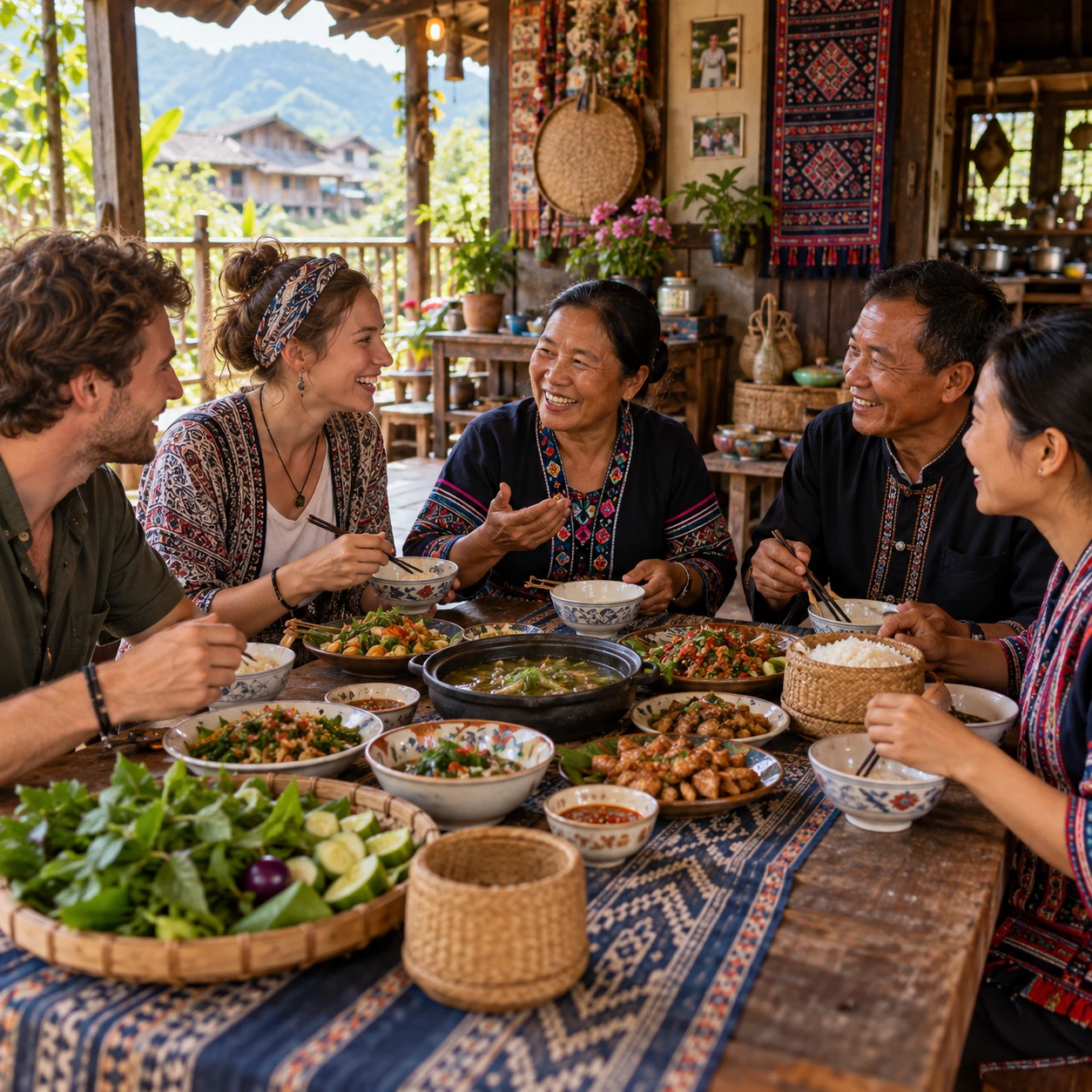
A memorable trip can include famous landmarks, but its most meaningful moments often happen in ordinary places: over a shared meal, during a craft workshop, or in a conversation with someone who calls the destination home. Cultural immersion gives travelers a thoughtful way to encounter local traditions and everyday life while recognizing that communities are more than the experiences they offer visitors.
With the right preparation and a responsible tour operator, you can take part with curiosity, respect, and realistic expectations. The aim is not to collect access to people or customs. It is to learn, listen, and leave room for local communities to decide what they wish to share.
What cultural immersion means for travelers
Cultural immersion means engaging with the people, customs, and everyday life of a place, rather than experiencing it only through landmarks. It creates opportunities to learn from local perspectives while treating residents as hosts, professionals, and individuals.
Conventional sightseeing often focuses on what you can see: a historic building, a viewpoint, or a museum. Cultural immersion adds context and participation. You might learn why a market’s weekly rhythm matters, hear how a family prepares a traditional food, or discover the meaning behind a local craft from the person who makes it.
Immersion does not mean becoming an insider during a short visit, and no single activity can represent an entire culture. Traditions vary among families and communities, and some practices are private, sacred, or simply not open to visitors. A good experience respects those boundaries rather than treating every custom as something to access.
For travelers, the distinction is practical: pay attention to who leads the activity, whether participation is invited, and how the experience benefits the people involved. Listening and context matter just as much as taking part.
Ways to connect with local traditions and communities
You can connect with local traditions through community-led activities that invite genuine exchange, such as food experiences, arts and crafts workshops, and guided visits to everyday community spaces. Choose activities where residents set the terms and travelers have room to ask and listen.
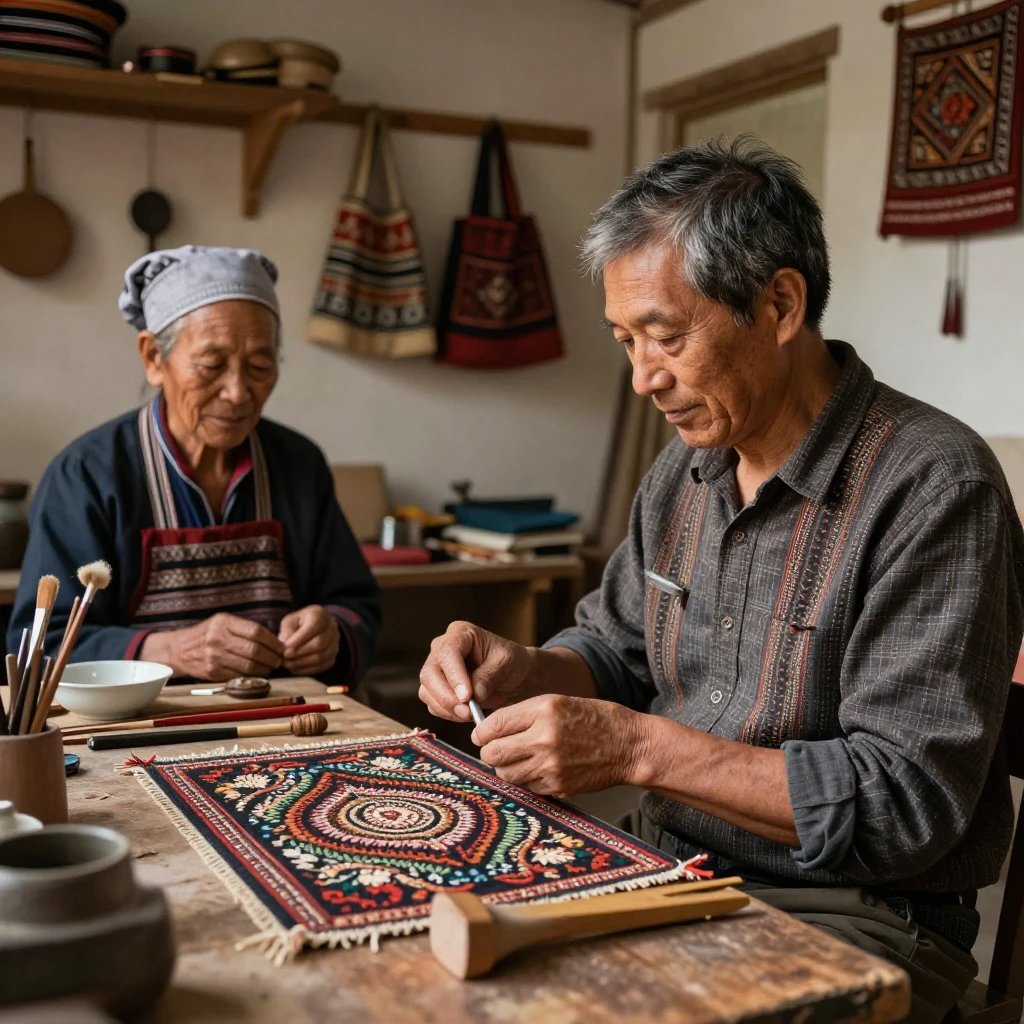
A shared meal can reveal ingredients, family preferences, and regional foodways, but it should be arranged with the hosts’ consent and respect for their privacy. A cooking class led by a local cook may offer more conversation than a staged demonstration. Similarly, an arts and crafts workshop can help you understand a technique and the time behind it, especially when the maker explains their work and sets fair terms for participation and sales.
Community-based tourism can also include walks with residents, visits to locally run cooperatives, or activities organized by a neighborhood association. The label alone does not guarantee a responsible experience, so look for clear information about who leads it, who receives payment, and what visitors will actually do.
- Food experiences: Join a market visit or meal hosted by people who choose what to share.
- Workshops: Learn a craft or cooking skill directly from a practitioner, without expecting to master it in one session.
- Community-led activities: Follow the organizer’s guidance on group size, appropriate questions, and areas that are off-limits.
These activities may feel less polished than a scripted attraction. That can be part of their value, though flexibility and clear expectations matter. A genuine exchange is not guaranteed on demand; sometimes the most respectful choice is to observe quietly or accept that a planned interaction will not happen.
How local guides make experiences more meaningful
Local guides add context to cultural experiences by explaining local history, language, customs, and the differences in perspective that a visitor might otherwise miss. They can also help travelers approach conversations respectfully and connect with people who have agreed to participate.
A guide who knows the area can explain why a greeting, meal, or public space matters without presenting one interpretation as universal. They may translate when needed, suggest an appropriate way to ask a question, and clarify when a custom is changing or debated. That local knowledge turns an activity from a quick photo stop into a more informed encounter.
Look for guides who welcome questions while making boundaries clear. Their role is not to arrange access to private homes or sacred practices, nor to speak for every resident. A strong guide acknowledges what they do not know and makes space for different viewpoints.
Language and communication also work best as a two-way effort. A guide can bridge a language gap, but learning a few basic phrases yourself shows consideration. If a conversation becomes personal or sensitive, let the other person decide how much to share rather than pressing for a more dramatic story.
Participate respectfully and with curiosity
To participate respectfully, follow your host’s guidance, ask before photographing people or personal spaces, and treat cultural etiquette as part of the experience. When you are unsure, pause and ask rather than assuming that a visitor’s usual habits apply.
Etiquette can differ between regions, families, and settings. A greeting that feels friendly in one place may be too familiar in another; clothing expectations may change between a market and a place of worship. Your local guide or host can explain practical norms, including whether to remove shoes, how to accept food, and which topics or gestures to avoid.
- Ask permission before taking someone’s photograph, and accept a no without debate.
- Check before photographing ceremonies, children, homes, or religious spaces.
- Follow instructions about dress, food, gifts, and where visitors may go.
- Ask open questions, listen to the answer, and avoid treating one person as a spokesperson for a whole culture.
- Buy arts and crafts directly from makers or reputable local sellers when possible, and ask about materials if provenance matters to you.
A common mistake is assuming a paid activity removes the need for consent. Payment covers the agreed experience; it does not make a person’s image, private life, or beliefs available for unrestricted use. Another is rushing to fill every silence with questions. A pause may simply be a pause, not an invitation to probe.
Curiosity is useful when it stays open-ended and considerate. If a host declines to discuss a subject, change the topic. The quality of cultural immersion is not measured by how much a traveler can see or photograph.
Choose tours that support local communities
A tour supports local communities when it gives residents meaningful control, fair compensation, and a clear say in how visitors engage. Ask the tour operator who designs and leads the experience, how local partners are paid, and what community guidance shapes the itinerary.
Community-based tourism can create income and encourage cultural exchange, but the benefits depend on how a tour is organized. A locally led activity is a promising sign; transparent partnerships and realistic group sizes offer more useful evidence than a broad claim that a tour is “authentic.”
Before booking, check whether the operator explains how it works with local guides, cooks, artisans, or community organizations. Does it describe what is included and what is off-limits? Can it explain how it handles photography, group conduct, and changes requested by hosts? Specific answers suggest the operator has considered the impact of its visits.
There are trade-offs. Smaller groups and locally led experiences may cost more or offer fewer departure times than mass-market tours. They may also require flexibility, because community schedules and local priorities can change. In return, travelers often receive better context and a more direct connection to the people leading the experience.
For a wider framework, the United Nations World Tourism Organization discusses tourism’s relationship with communities and sustainable development through its work on sustainable development in tourism. Use that perspective alongside specific questions about the tour you plan to book.
Prepare for a more immersive trip
Prepare for cultural immersion by learning a few local phrases, checking basic etiquette, and choosing experiences that leave room for conversation and change. A little preparation helps you participate with confidence without expecting a community to adapt to your schedule.
Before you go, find out how to greet people, say please and thank you, and ask whether it is all right to take a photograph. You do not need to speak fluently. A sincere attempt can make communication warmer, while patience and plain language help when you do not share a common language.
Check practical details with your tour operator: clothing guidance, accessibility, dietary needs, meeting arrangements, group size, and whether cash is useful for local purchases. Ask what the experience includes and what it does not. Clear expectations can prevent awkwardness, especially around meals, gifts, and photography.
Keep your schedule flexible. A conversation may take longer than planned, a workshop may move at a slower pace, or a host may need to change an activity. Flexibility is not a promise of spontaneity on demand; it is a way to respect the people whose time and work make the visit possible.
Frequently asked questions about cultural immersion
What is cultural immersion in travel?
Cultural immersion in travel is the practice of learning about local life through respectful interaction with people, traditions, food, language, and creative work. It can include a guided walk, a meal, or a community-led workshop, provided participants choose what they wish to share.
How can travelers connect respectfully with local people?
Choose locally led experiences, learn a few basic phrases, ask before taking photos, and listen without pressing for personal information. Follow host guidance and remember that no individual represents an entire community.
What should I know before joining a cultural activity?
Check the activity’s expectations, clothing and etiquette guidance, photography rules, group size, and who leads it. Tell the organizer about access or dietary needs in advance, and understand that some traditions or spaces may be private or off-limits.
How do I choose a tour that benefits the local community?
Ask how local people shape the experience, who receives payment, and how the operator manages visitor conduct. Prefer clear, specific answers and locally led activities over vague promises of authenticity or access.