Adventure Travel: Thrilling Activities for Adrenaline Junkies
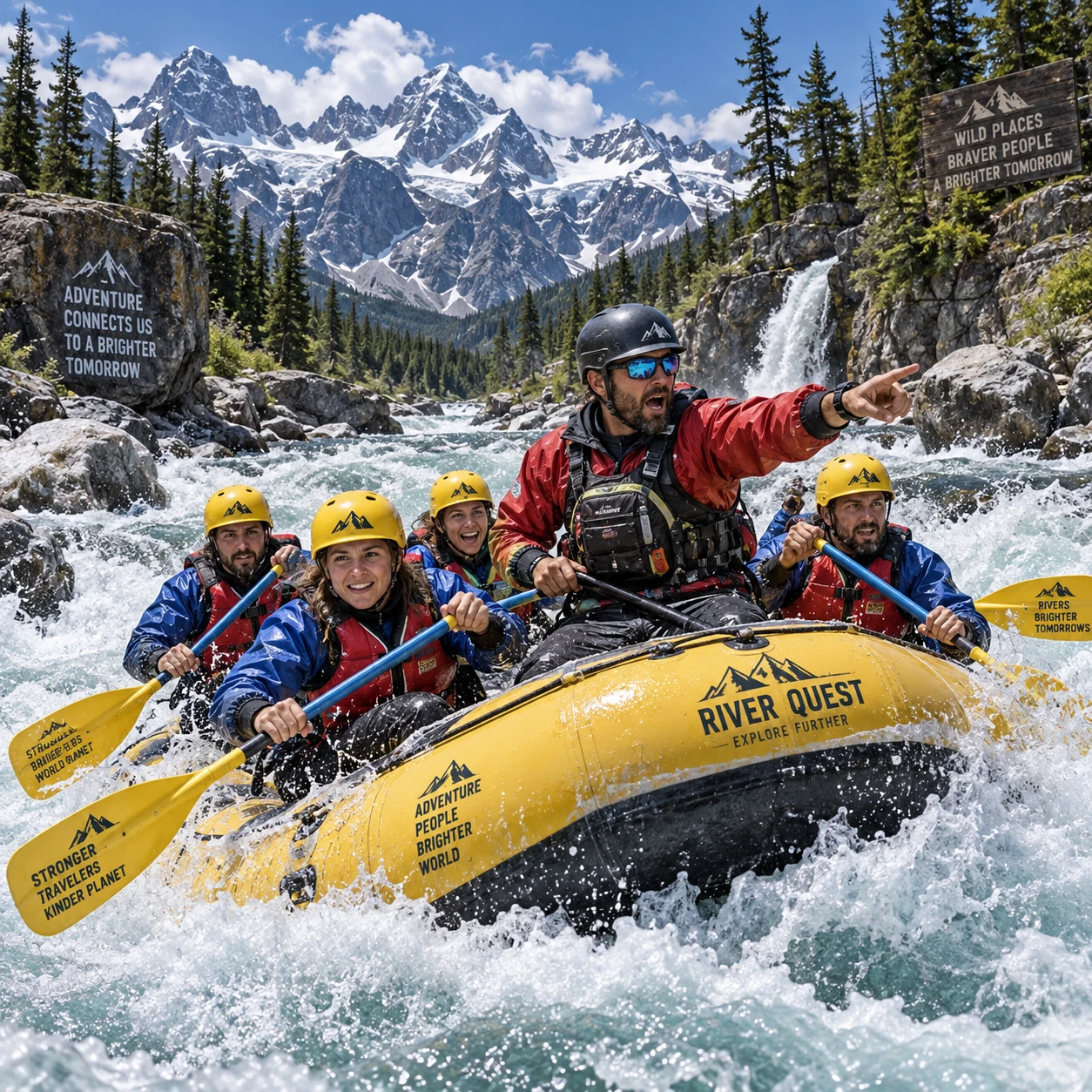
Adventure travel brings you closer to a place through active experiences, whether you are navigating rapids, climbing rock, or diving below the surface. The right activity can make a trip unforgettable, but the best choice depends on more than how thrilling it sounds. Your experience, fitness, comfort with heights or water, and the quality of the guidance all matter.
Use this guide to compare popular adventures, prepare responsibly, and choose a tour that fits the way you want to travel.
What Makes Adventure Travel Thrilling?
Adventure travel is active travel that puts you in direct contact with a landscape through movement, skill, or exploration. The thrill comes from taking part in the experience, not simply watching it, while suitable guidance and preparation help you manage the challenge.
That challenge can take different forms. White-water rafting asks you to work with a team and respond to moving water. Rock climbing tests balance and problem-solving. Skydiving delivers a brief, intense rush, while scuba diving rewards calm, deliberate exploration. Even zip-lining, often accessible to first-timers, can feel exhilarating when you cross a forest canopy or valley.
Adventure does not mean choosing the most extreme option available. A well-matched activity gives you room to focus, learn, and enjoy the setting. For one traveler, that may be a guided half-day mountain bike ride on beginner trails. For another, it could be a multi-day climbing trip with instruction and progressive routes.
High-Adrenaline Activities to Try
High-adrenaline activities range from short, highly managed experiences to outings that require training and sustained effort. Compare the setting, physical demands, and skill requirements before deciding.
- White-water rafting: A team-based river adventure where guides select a route based on conditions and group ability. Expect paddling, splashes, and clear instructions; river difficulty and water levels vary by season.
- Bungee jumping: A brief leap from a platform or bridge using a purpose-designed elastic cord and harness system. It involves little sustained exertion, but comfort with heights and the operator’s participant requirements are essential.
- Skydiving: A tandem jump pairs a first-time participant with a qualified instructor. The experience involves a flight, exit, freefall, and parachute descent; check age, health, weather, and weight policies before booking.
- Rock climbing: Options range from beginner sessions on indoor walls to outdoor routes with a guide. Climbing uses strength and technique, but instruction, route choice, and properly fitted equipment shape the challenge.
- Mountain biking: Trail rides can be scenic and steady or steep and technical. Ask about distance, elevation gain, terrain, bike type, and whether a support vehicle or guide accompanies the group.
- Scuba diving: Certified divers can explore underwater sites, while beginners may have introductory experiences with direct instructor supervision. Training, health disclosures, and depth limits matter; diving is not a walk-up activity for every traveler.
- Zip-lining: A harnessed ride along a cable offers an aerial view with relatively little physical effort. Operators set limits and provide equipment, but height, speed, and access requirements differ by course.
These activities are not interchangeable. A rafting trip is shaped by river conditions and teamwork; a skydive is a short, concentrated experience; climbing and biking demand more active physical participation. Choose the kind of challenge you want, not just the activity with the boldest name.
Choose an Adventure That Fits You
Choose an adventure by matching its demands to your experience, fitness, comfort with risk, and preferred setting. A clear match makes it easier to enjoy the activity and follow instructions when conditions change.
Start with four questions: Have you tried this activity before? How do you feel about heights, speed, open water, or enclosed equipment? Can you manage the stated duration and physical effort? Would you rather be in a group, with an instructor, or on a more independent route?
Skill and fitness level are related, but they are not the same. A beginner may be fit enough for a long ride but lack mountain biking technique; an experienced climber may still need to choose an easier route after time away. Be honest about both when speaking with a tour operator.
Use this quick filter before booking:
- New to the activity: Look for an introductory session, tandem option, or guided beginner route with clear supervision.
- Comfortable with the basics: Ask about progression, group size, and what skills the guide expects you to bring.
- Experienced: Confirm that the itinerary offers the terrain or conditions you want, and check what equipment and independent decisions are expected.
Then consider the setting. Rivers and coastlines suit travelers who enjoy water; cliffs and mountains appeal to those who like height and terrain; forest courses may combine scenery with a more controlled zip-line or bike experience. If you are uncertain, ask the operator to describe a typical day and the hardest part. That answer is often more useful than a thrill rating.
Safety and Preparation Before You Go
Prepare for an adventure tour by checking participant requirements, listening to the briefing, and using the activity’s safety equipment as instructed. No operator can promise a risk-free experience, so understand the conditions and your responsibilities before taking part.
Guides should explain how to use equipment, what signals or instructions to follow, and what to do if plans change. Typical safety equipment may include a helmet, life jacket, climbing harness, ropes, or a zip-line trolley, depending on the activity. Skydiving and scuba diving involve specialized gear and procedures that require activity-specific instruction.
Before departure, confirm:
- Minimum age, health, weight, or certification requirements.
- Fitness expectations, route length, elevation, water conditions, and likely duration.
- What equipment the operator supplies and what you must bring.
- Weather, cancellation, and rescheduling policies.
- Whether the itinerary includes training, transfers, meals, or insurance.
Wear the clothing recommended for the activity, secure loose items, and tell the guide about relevant health concerns or lack of experience. Do not hide a limitation to avoid missing out. A responsible guide can often suggest a suitable alternative, but needs accurate information to do so.
Why Book Through a Tour Operator?
A tour operator can coordinate logistics, explain activity requirements, and help match you with an appropriate guided adventure tour. That support can be especially useful when you are unfamiliar with local conditions or booking multiple activities.
A good operator should make the details easy to compare: group size, guide qualifications, equipment, transport, inclusions, participant rules, and cancellation terms. For activities such as rafting, climbing, or mountain biking, a guide can also choose routes that suit the group and adapt plans when conditions warrant it. For skydiving or scuba diving, ask specifically about the instructor’s role and required training.
Booking through an operator is not a substitute for checking credentials or reading the terms. A packaged trip may cost more than arranging each element yourself, and a fixed schedule can limit flexibility. In exchange, you may get a single point of contact and clearer coordination between transport, instruction, and the activity itself.
Look for specific answers rather than broad assurances. Ask how the operator assesses participant ability, what happens if weather makes an activity unsuitable, and whether the listed price includes equipment and transfers. Vague responses are a reason to keep comparing.
Plan Your Adventure Trip
Plan an adventure trip by confirming the activity’s requirements, checking what the price includes, and leaving enough time for travel and recovery. A few practical checks can prevent a rushed arrival or an unsuitable booking.
Compare tours on more than price. A lower-cost listing may exclude transport, equipment, or instruction, while a higher price may include those services. Check the meeting point and start time, especially if you are connecting from a flight or another excursion. For physically demanding activities, avoid scheduling a strenuous outing immediately after a long journey.
Before paying, save the operator’s contact details and booking confirmation, read the cancellation policy, and ask questions that are specific to your circumstances. If you are combining several activities, vary the effort: a demanding mountain bike ride and a long climbing day may be harder back-to-back than they appear on a calendar.
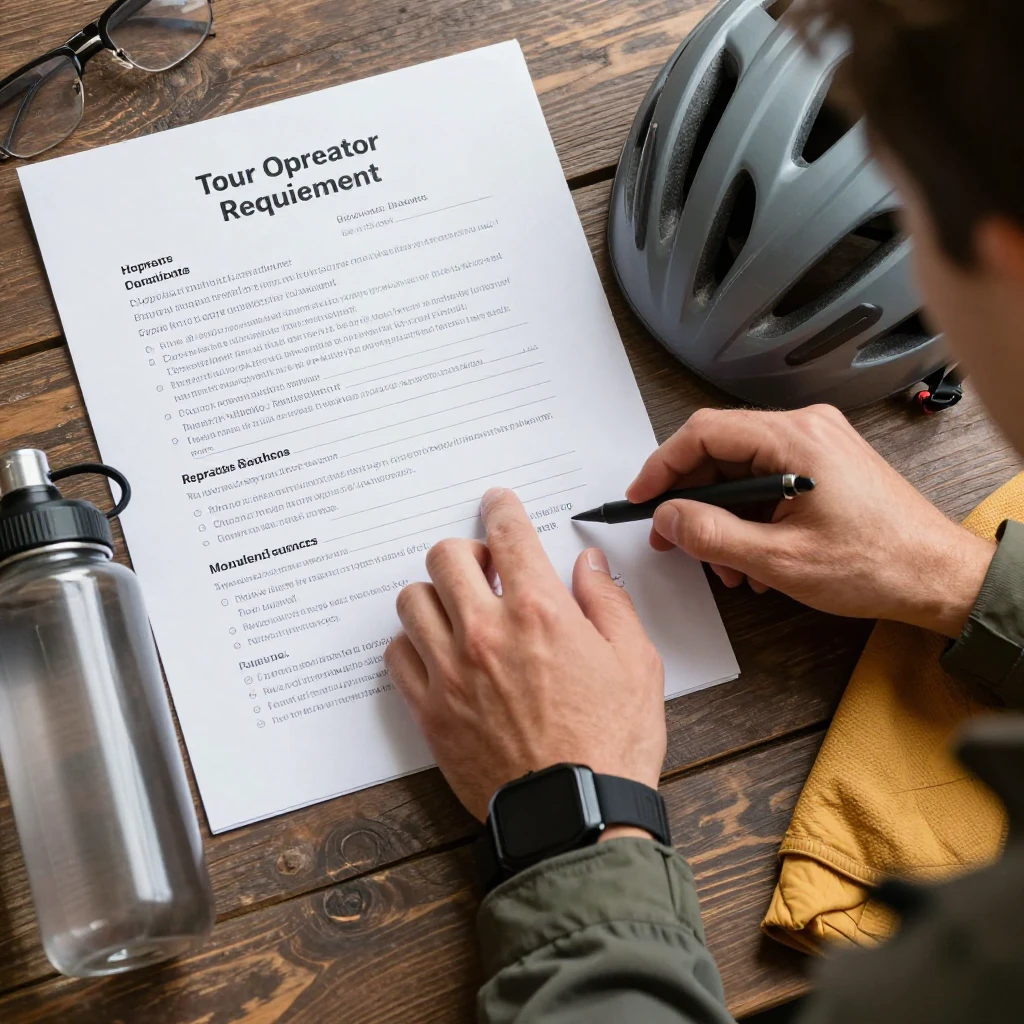
What adventure activity is best for beginners?
There is no single best activity for every beginner. Guided zip-lining or introductory rafting may suit travelers seeking a managed first experience, while tandem skydiving is an option for those comfortable with heights. Check the operator’s requirements and choose based on your comfort, not someone else’s idea of a beginner activity.
How should I prepare for an adventure tour?
Read the itinerary and participant requirements, ask what to wear and bring, and tell the operator about relevant health concerns or limited experience. Arrive early enough for the briefing, follow the guide’s instructions, and do not take part if the conditions or your health have changed in a way that affects safety.
What safety equipment is typically provided?
It depends on the activity. Operators may supply helmets, life jackets, harnesses, ropes, or specialized skydiving and diving equipment. Confirm exactly what is included, how it is fitted, and whether you need to bring personal items such as footwear or a wetsuit.
How do I choose a reputable tour operator?
Ask about guide qualifications, equipment checks, group size, participant screening, weather procedures, and cancellation terms. Look for clear, consistent answers and written booking details. Reviews can help you spot patterns, but they do not replace checking that the specific tour fits your experience and needs.