The Ultimate Guide to Solo Travel: Tips and Tricks for Every Adventurer
There is something quietly radical about booking a trip entirely on your own terms. No compromises on the destination, no waiting for someone else's schedule to align, no negotiating over restaurants. Solo travel strips travel back to its most honest form: you, the world, and whatever happens next.
This guide covers everything you need to plan, budget, pack, and move through the world as a solo traveler — whether this is your first independent trip or your fifteenth.
Why Solo Travel Is Worth It
Solo travel delivers a kind of personal freedom that group trips simply cannot replicate. You set the pace, change the plan on a whim, and engage with places on your own terms. Beyond logistics, the experience tends to accelerate personal growth in ways that are hard to anticipate before you go.
Traveling alone forces you to solve problems independently — navigating a missed connection, finding accommodation last-minute, or communicating across a language barrier. Each small challenge builds a quiet confidence that carries well beyond the trip itself.
The social dimension surprises most first-timers. Without a travel companion acting as a social buffer, solo travelers tend to make more connections with locals and other travelers. You become more approachable and more open. Many people who start solo travel reluctantly end up preferring it.
Planning Your Solo Trip: Where to Start
Good solo trip planning begins with honest self-assessment, not destination research. Before browsing flights, ask yourself what kind of experience you actually want: cultural immersion, outdoor adventure, slow travel through cities, or a mix of all three.
Once you have a rough idea, research destinations based on your comfort level. For first-time solo travelers, destinations with strong tourism infrastructure — reliable public transport, English-language signage, established backpacker trails — reduce friction significantly. Portugal, Japan, New Zealand, and Colombia are frequently cited as beginner-friendly for good reason.
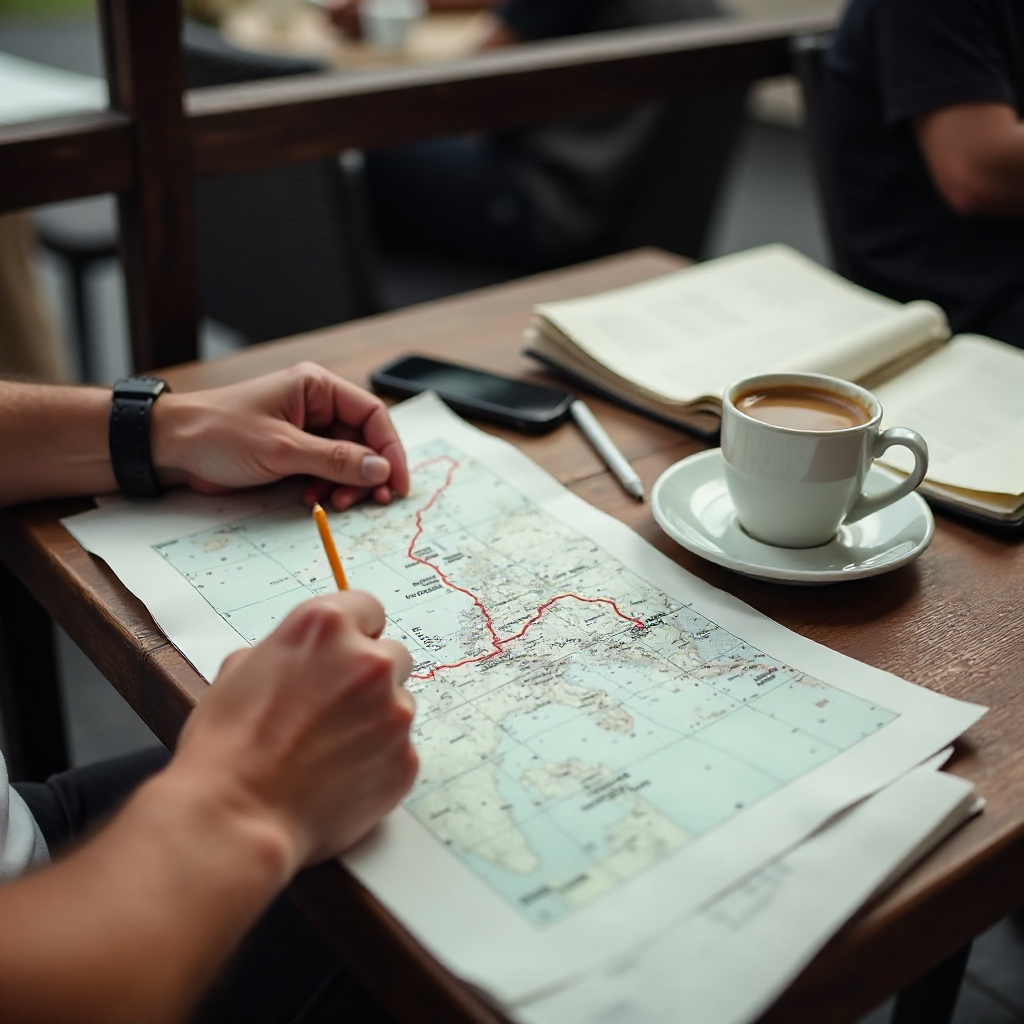
When building your travel itinerary, resist the urge to over-schedule. Leave buffer days, especially around arrival and departure. A rigid plan is the enemy of spontaneity, which is one of solo travel's greatest pleasures.
One decision worth making early: how much of the trip do you want to structure yourself versus joining organized experiences? A fully independent itinerary gives maximum flexibility, but for complex destinations or specific activities — multi-day treks, remote safaris, cultural tours in areas with language barriers — working with a tour operator for particular legs of the trip can save time and open doors that independent travel can't easily unlock.
Budgeting for One: Making Your Money Go Further
Solo travel costs more per person than group travel — that's the honest reality. The single supplement (the surcharge hotels charge solo occupants for a double room) is the most common financial friction point, often adding 20–50% to accommodation costs.
The most effective workarounds:
- Book hostels or solo-friendly hotels that offer private single rooms priced for one person
- Use apartment rental platforms where nightly rates don't penalize solo guests
- Travel during shoulder season, when room rates drop and single supplements shrink
- Join small-group tours that include accommodation — the per-person cost is often lower than booking independently
Travel insurance is non-negotiable for solo travelers. When something goes wrong — a medical emergency, a cancelled flight, lost luggage — you're handling it without a support network. A solid policy covering medical evacuation, trip cancellation, and personal liability typically costs 4–8% of your total trip budget. That's a small price for genuine peace of mind.
For budget management day-to-day, tracking apps like Trail Wallet or TravelSpend let you set daily limits by category and see in real time where money is going. Many experienced solo travelers set a daily cash allowance and keep cards separate from cash to limit exposure if a wallet is lost.
Staying Safe as a Solo Traveler
Solo travel is overwhelmingly safe, but it rewards preparation. The most effective safety strategy isn't caution — it's information. Knowing your destination's risk profile, common scams, and local emergency numbers before you arrive puts you in a fundamentally stronger position than reacting to problems as they occur.
Practical safety habits that make a real difference:
- Share your itinerary with someone at home — a friend, family member, or travel agent — and check in regularly
- Save local emergency numbers and the address of your country's nearest embassy or consulate
- Keep digital copies of your passport, insurance documents, and bookings in a secure cloud folder
- Use accommodation in well-reviewed areas, particularly for your first night in a new city
- Trust your instincts — if a situation or person feels off, remove yourself without explanation
Cultural awareness is also a form of safety planning. Understanding local dress codes, social norms, and areas to avoid isn't about being overly cautious — it's about moving through a place with respect and confidence. Solo female travelers, in particular, often find that modest dressing and basic knowledge of local etiquette dramatically changes how they're perceived and treated.
Packing Smart: The Solo Traveler's Checklist
The golden rule for solo travel packing: if you're unsure whether you need it, you probably don't. Every extra kilogram is weight you carry alone, through airports, up hostel stairs, across cobblestones.
A lean packing list for most solo trips covers five categories:
- Documents and money: passport, travel insurance card, copies of bookings, two payment cards from different networks, local currency for arrival
- Tech: unlocked phone with a local SIM or international plan, portable charger, universal adapter, earbuds
- Health: any prescription medication (with documentation), basic first aid kit, rehydration sachets, sunscreen
- Security: TSA-approved luggage locks, a money belt or hidden pouch for valuables, a doorstop alarm for accommodation with questionable locks
- Clothing: versatile layers that mix and match; aim for 5–7 days of outfits that can be hand-washed
Digital tools deserve special mention. Apps like Google Maps offline, Rome2rio for transport planning, and XE Currency for real-time exchange rates have replaced entire categories of guidebook. Download what you need before you land — reliable Wi-Fi isn't guaranteed everywhere.
Making Connections on the Road
One of the biggest misconceptions about solo travel is that it means being alone. In practice, solo travelers often have richer social experiences than those traveling in closed groups.
The most reliable places to meet people:
- Social accommodation: hostels with common areas, cooking facilities, and organized events are designed for exactly this. Even if you book a private room, the common spaces do the work
- Small-group guided experiences: a half-day cooking class, a walking tour, or a day hike puts you alongside people with similar interests for long enough that real conversation happens naturally
- Local experiences: markets, community events, language exchange meetups — these attract curious travelers and locals in equal measure
The key is choosing activities that create natural talking points. A shared challenge or experience — navigating a trail together, learning to make pasta from scratch — removes the awkwardness of cold introductions.
That said, protecting your solo time matters too. You don't owe anyone company. Some of the best moments in solo travel are spent entirely alone, reading at a café or watching a city wake up from a balcony. Both modes are valid.
Booking Support: When to Go It Alone vs. Use a Travel Service
Independent booking works well for straightforward destinations and travelers who enjoy the research process. For everything else, a professional travel service often saves time, reduces risk, and unlocks experiences that aren't easily accessible through standard booking platforms.
Consider working with a tour operator or travel service when:
- You're visiting a destination with complex logistics — multi-country itineraries, remote regions, or places with limited English-language infrastructure
- You want access to small-group departures that provide built-in social structure without sacrificing flexibility
- You're a first-time solo traveler who wants professional backup without committing to a fully guided group tour
- You need specialist knowledge — wildlife permits, trekking logistics, visa requirements — that takes significant time to research independently
A good travel service doesn't take over your trip — it handles the parts that would otherwise consume your planning energy, freeing you to focus on the experience itself. Many solo travelers use a hybrid approach: book flights and major accommodation independently, then use a local operator for specific activities or regions where expertise genuinely adds value.
The bottom line is that solo travel and professional support aren't mutually exclusive. The goal is a trip that works for you — and sometimes that means knowing when to hand something off.
Frequently Asked Questions
Is solo travel safe for first-time travelers?
Yes, for the vast majority of destinations and traveler profiles. The key is choosing a destination appropriate to your experience level, doing basic safety research beforehand, and sharing your itinerary with someone at home. First-time solo travelers often find the experience far less daunting than anticipated once they arrive.
What are the best types of destinations for solo travel beginners?
Destinations with strong tourism infrastructure, reliable public transport, and low language barriers tend to work best for first trips. Western Europe, Southeast Asia (particularly Thailand, Vietnam, and Bali), Japan, and New Zealand consistently rank well for solo traveler accessibility and safety.
How do I handle solo travel surcharges on accommodation and tours?
Book accommodation that prices rooms for single occupancy — hostels, boutique hotels, and apartment rentals typically don't penalize solo guests the way standard hotels do. For tours, look for small-group departures where the per-person price is fixed regardless of group composition.
Do I need travel insurance for a solo trip?
Strongly recommended, especially for solo travelers. Without a travel companion to help in an emergency, having insurance that covers medical evacuation, trip cancellation, and lost documents is particularly valuable. Check that your policy covers the specific activities you plan to do — some adventure sports require additional coverage.
Can a tour operator help me plan a solo trip?
Absolutely. Many tour operators specialize in solo travel and offer everything from fully guided group departures to custom itinerary planning for independent travelers. They're particularly useful for complex destinations, first-time solo travelers, or anyone who wants professional support without giving up autonomy over their trip.